Recycling and Sustainability at Gardeners Coney Hall
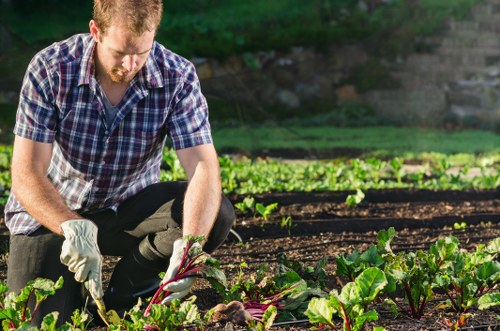 Gardeners Coney Hall is committed to an eco-friendly waste disposal area and a thriving sustainable rubbish gardening area that supports local biodiversity and reduces landfill. Our approach brings together practical site management, resident education and partnerships so that the gardens we tend leave a lighter carbon footprint. Whether you are one of the Coney Hall gardeners or visiting as a volunteer, our policies are designed to make recycling and reuse easy, visible and effective.
We maintain a clear materials flow for green waste, woody prunings and general garden debris, ensuring that organic matter is diverted from refuse bins into composting or biomass recovery. Our on-site compost bays are managed to avoid odors and pests, and are part of a wider plan to expand the sustainable rubbish gardening area across our plots. By combining small-scale composting with borough schemes for garden waste collection, we close nutrient loops and cut down on transport emissions.
Targets: measurable and ambitious
Our recycling percentage target is to achieve a 65% recycling and reuse rate for all site-generated waste by 2030. This target covers green waste, mixed recyclables from tool packaging and communal areas, and textiles or furnishings diverted to reuse partners. To reach that aim we separate materials at source, use clear labelling, and monitor weights at regular intervals. The result is a robust plan that balances ambition with realistic on-the-ground action.How we integrate with the borough's waste approach
The London Borough of Bromley and neighbouring boroughs typically encourage separation into food/organic, garden, glass, paper/card and mixed dry recyclables. We align with this by providing segregated bins and clear signage so that gardeners at Coney Hall can easily follow the local model. By matching borough collection categories, our recyclable loads are cleaner, easier to process and more likely to be accepted at transfer stations or material recovery facilities.Practical steps include: colour-coded containers, weekly briefings for volunteers on what goes where, and a simple refusal policy for contaminated loads. These measures reduce the need for manual sorting at downstream facilities and increase the value of the materials we hand on to the municipal system or partner organisations.
 Local transfer stations are an important link in the chain. We make use of nearby municipal transfer facilities and nominated local recycling centres to deliver larger loads that cannot be collected by kerbside services. Using these stations allows us to aggregate materials efficiently and ensures that bulky compostable material and inert soil are directed to appropriate processing streams rather than landfill.
Partnerships are central to our sustainability strategy. We partner with local charities and reuse organisations to divert usable items — such as plant pots, tools and surplus soil bags — to community groups. Key collaborations include:
- Local charity shops and reuse centres that accept tool donations or garden furniture
- Community composting schemes that welcome green trimmings produced in bulk
- Social enterprises that refurbish or resell garden equipment
These alliances not only reduce waste but also support local livelihoods and social benefits. By sending serviceable items to charity partners instead of the refuse stream, Gardeners Coney Hall becomes part of a circular neighbourhood economy.

Low-carbon transport and logistics
We operate a fleet of low-emission vehicles for site collections and transfers. That includes electric vans, plug-in hybrids and vehicles compliant with the latest low-emission zone standards. Using low-carbon vans for collection runs to transfer stations and charity drop-offs lowers our transport emissions and supports a greener supply chain for local gardening operations.Our logistics plan schedules multiple tasks per trip to avoid unnecessary mileage, and we prioritise daytime routing to reduce congestion-related idling. Where possible, volunteers are encouraged to use active travel for short local movements, further shrinking our operational footprint.
What you can expect when you visit
As visitors and volunteers engage with our eco-friendly waste disposal area, they will find clear instructions on recycling points, compost etiquette and materials acceptance. We use informational signage and short induction notes so that everyone — from experienced Coney Hall gardeners to new community members — contributes positively to our sustainability goals. Small actions like rinsing containers, flattening cardboard and keeping compost contamination-free make a large collective difference.Monitoring and continual improvement are essential. We track tonnage diverted, contamination levels and the number of items sent to charity partners. Quarterly reviews compare progress against our 65% target and identify opportunities to expand reuse activities, improve separation quality, or trial new low-carbon technologies for site maintenance.
Our approach is practical and inclusive: we provide brief training sessions for plot holders, create easy-to-follow bin guides and trial incentives to reward consistent recycling behaviour. These initiatives are designed to make the sustainable rubbish gardening area a model within the borough, encouraging other allotment and community garden groups to adopt similar systems.
Gardeners Coney Hall invites neighbours and local organisations to learn from our experience. By coordinating with the borough’s waste separation schemes, making active use of local transfer stations and supporting charity partnerships, we will meet our recycling percentage target and keep the gardens healthy and productive while reducing carbon emissions across every stage of the waste cycle.
Summary of commitments:
- 65% recycling target by 2030 for site-generated waste
- Alignment with borough waste separation (organic, garden, glass, paper, dry recyclables)
- Use of local transfer stations and recycling centres
- Partnerships with charities and social enterprises for reuse
- Low-carbon vans and efficient logistics
Gardeners Coney Hall is proud to grow greener spaces through practical, community-led recycling and sustainable gardening practices that protect the environment and inspire wider change.

