Same day gardeners in Coney Hall for storm damage calls
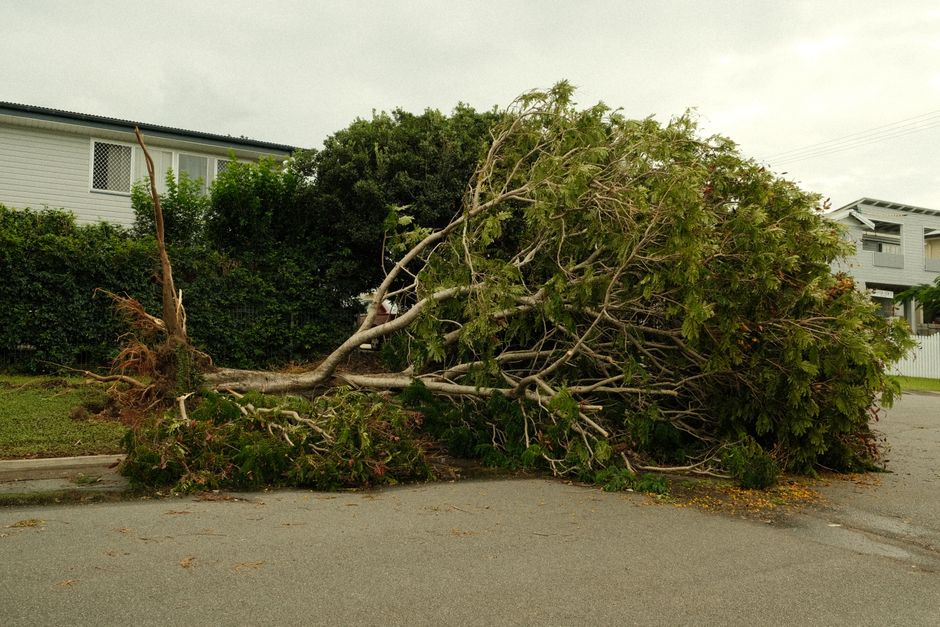
Storms rarely arrive politely. One minute the garden is fine, the next there are snapped branches on the lawn, a hedge leaning into the path, and bits of fencing or debris scattered everywhere. If you are searching for same day gardeners in Coney Hall for storm damage calls, you are probably dealing with a garden that needs quick attention, not a long wait and a vague promise later in the week.
This guide explains what fast-response garden help usually involves, how it works in practice, what to expect from a same day visit, and how to decide whether you need light tidy-up work or more urgent clearance and tree-related support. It also covers safety, common mistakes, and a simple way to get organised before anyone arrives. Straightforward, useful, no drama.
Why Same day gardeners in Coney Hall for storm damage calls Matters
Storm damage in a garden is not just an eyesore. It can create real hazards very quickly. A fallen limb can block a driveway, a damaged hedge can collapse further in the wind, and loose garden materials can become unsafe if left where they are. Even a seemingly small problem can get worse overnight, especially if the forecast is still unsettled. We've all seen that one branch that looks harmless until it drops after another gust. Annoying, yes. Avoidable? Often.
In Coney Hall, a same day response matters because many outdoor issues are time-sensitive. Access may be blocked. Pets may be at risk. Neighbours may be affected if debris blows across boundaries. And if you leave damaged growth sitting there, moisture, rot, and additional breakage can turn a manageable tidy-up into a bigger clearance job.
There is also a practical comfort factor. When a storm has left the garden looking rough, quick help can restore order and reduce the feeling that everything is out of control. That matters more than people admit. A fast, tidy response can make a home feel normal again.
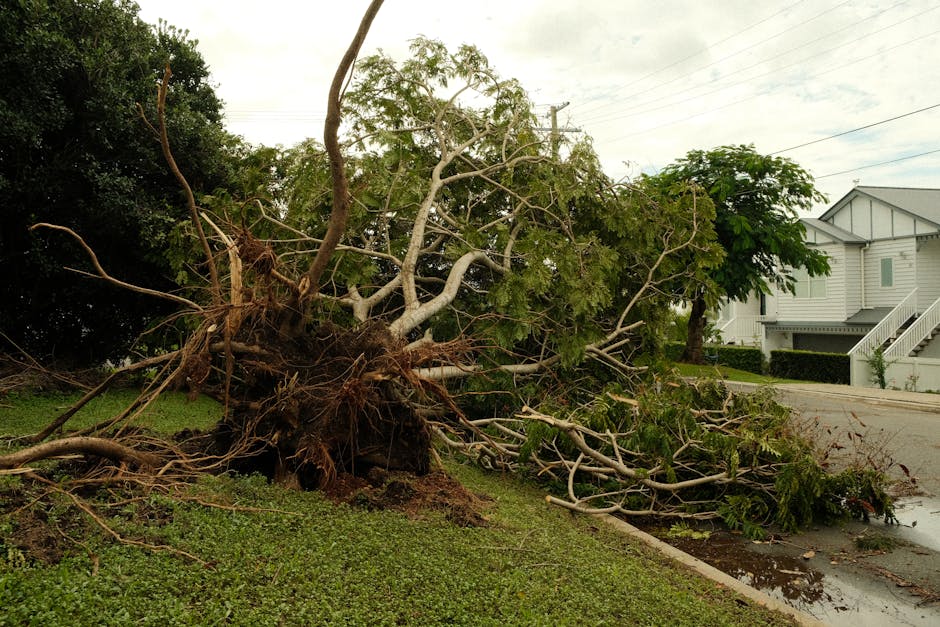
For homeowners who already use regular garden maintenance, a storm call is often about getting the property back to a safe baseline before routine care resumes. For others, the issue is more immediate and may involve debris removal or work that overlaps with garden clearance or even tree lopping and removal where a tree has been split, hung up, or partially uprooted.
Expert summary: same day storm response is about safety first, tidy-up second, and long-term repair third. If the garden is unstable, treat it that way. If it only looks messy, you may still need a proper inspection before anyone starts cutting or moving heavy material.
How Same day gardeners in Coney Hall for storm damage calls Works
The process is usually simpler than people expect. A good same day service should focus on speed, clear communication, and sensible prioritisation. Not everything can be fixed instantly, of course, but a lot can be made safe and manageable in one visit.
In practice, it often works like this:
- You describe the issue. That might be a fallen branch, shredded hedge, windblown fence panel, or a garden full of scattered debris.
- Photos or a brief description help. This gives the gardener a better idea of scale, safety concerns, and likely equipment needs.
- The urgent risks are assessed first. Anything unstable, sharp, heavy, or likely to fall again gets attention before general tidying.
- The site is made safe. Debris may be moved, cut back, stacked, or removed depending on the condition and access.
- Follow-on work is identified. Sometimes the first visit solves the immediate issue, then a second visit is booked for restoring the garden properly.
That is the basic shape of it. The exact response depends on what the storm has done and how accessible the property is. A small front garden with a few broken stems is one thing. A large back garden with a limb caught in a tree is another matter entirely.
For wider service planning, it can help to look at the provider's broader services overview so you can see whether the same team also handles clearance, hedge work, landscaping or tree-related jobs. That matters because storm damage often crosses service lines. A hedge may need trimming, a bed may need clearing, and a damaged corner may need later rebuilding.
One small but important point: same day does not always mean everything is completed immediately. Sometimes it means the property is made safe, the worst material is dealt with, and a proper repair plan follows. That is still a valuable outcome. Honestly, in storm work, "safe and stable" is often the win.
Key Benefits and Practical Advantages
Fast-response garden support is not just about convenience. It has several practical benefits that become obvious the moment a branch lands where it should not be.
- Reduced safety risk: removing loose or broken material quickly lowers the chance of trips, scrapes, or further collapse.
- Better access: paths, gates, driveways, and side returns can be reopened sooner.
- Less secondary damage: wet debris left in place can stain, crush planting, or damage lawn areas.
- Faster recovery: once the garden is stabilised, later work is easier and cheaper to plan.
- Less stress: a tidy, controlled response feels much better than staring at a mess for days.
There is also a subtle benefit many people overlook: quick action helps you see the real scope of the damage. Before the clutter is removed, everything can look worse than it is. Once the surface debris is cleared, it becomes easier to tell whether the issue is mostly cosmetic or whether there is structural damage hidden underneath.
For example, a hedge may look ruined, but if the stems are simply bent and partly split, it could recover with careful pruning. If the base is torn or root movement has occurred, that is a different story. Same day intervention can clarify that picture before the problem spreads.
And yes, it saves time. But not in the lazy sense. It saves the kind of time that matters on a wet evening when you are trying to keep the front path usable before dark. Little details like that matter more than glossy sales talk ever does.
Who This Is For and When It Makes Sense
Storm damage calls are not only for dramatic disasters. In fact, many jobs are smaller and more ordinary than that. The key is knowing when a same day response makes sense and when a planned visit will do.
This service is especially useful for:
- Homeowners with broken branches or windblown debris after heavy rain or strong gusts
- Landlords needing a property made presentable quickly between inspections or tenancies
- Older residents who should not be lifting wet branches or moving heavy garden waste themselves
- Busy families who need a safe garden path, driveway, or rear access restored fast
- People with damaged hedges, shrubs, or borders that are blocking routes or spilling over boundaries
- Anyone unsure whether a tree limb or hanging branch is safe to leave until later
It also makes sense if the storm has disturbed areas that are already part of a planned care cycle. For instance, a recently trimmed hedge might need follow-up shaping, or a lawn area may need recovery work after debris has been dragged across it. If the whole place has ended up in a state, combining the urgent visit with longer-term care such as lawn mowing or hedge trimming can make the overall recovery more efficient.
When is it not a same day job? If the garden is messy but stable, there is no access issue, and nothing is likely to fall, a booked visit may be enough. To be fair, not every post-storm garden scene needs a rush response. Sometimes it just needs a proper tidy and a bit of patience.
Step-by-Step Guidance
If you are dealing with storm damage right now, here is a simple way to handle it without overthinking the whole thing. Start with safety, then work through the practical bits. Easy to say, slightly less easy at 7:30 on a blustery morning, but still the right order.
- Stay clear of unstable material. Do not pull at hanging branches or lean on damaged fence panels to "see if they move". That is how people end up with more trouble than they bargained for.
- Take a quick look from a safe distance. Check whether the issue is limited to debris, or whether there are signs of root movement, split trunks, or sharp fragments.
- Take a few photos. These help with explanation, estimates, and any follow-up discussion. One photo from a distance and one close-up is usually enough.
- Clear the easy access points only if it is safe. Small twigs or light litter can often be moved by hand, but heavy limbs and unstable sections should be left alone.
- Contact a same day gardener and explain the urgency. Mention anything that affects safety, access, pets, gates, or neighbouring properties.
- Ask what can be done immediately. A sensible provider will tell you whether they can make the area safe first, clear debris, or need specialised tree work.
- Agree the priority list. For example: pathway first, dangerous branch second, rest of the debris third.
- Keep the site accessible. Move cars, secure pets, and make sure the gardener can reach the problem area without awkward obstacles.
- Plan any follow-on work. You may need a second visit for repair, restoration, or broader garden recovery.
One useful habit is to think in zones: entrance, path, lawn, beds, boundary, then trees. That order helps you and the gardener focus on what matters most. And yes, it sounds simple because it is simple. Storm jobs are easier when nobody tries to do everything at once.
Expert Tips for Better Results
Storm response work goes more smoothly when the information is clear and the site is prepared. A few small decisions can save a surprising amount of time.
- Be specific about the problem. "A branch fell" is useful, but "a thick branch is partly hanging over the side path" is better.
- Tell the gardener what must stay in place. If a compost bay, water feature, or newly planted area should not be disturbed, say so upfront.
- Separate urgent hazards from general tidying. The more obvious the priority, the faster the response can be focused.
- Ask how waste will be handled. A lot of storm material is awkward, damp, and bulky. It helps to know whether it will be cleared away or stacked for later removal.
- Consider whether nearby structures are affected. Fences, sheds, decking edges, and gates can all take a knock in strong winds.
If the damage involves woody growth close to larger trees, it is worth asking whether a simple cut-back is enough or whether the job sits closer to tree lopping and removal. That distinction matters, because cutting the wrong thing in the wrong way can make a weak tree even less stable. Nobody wants that. Not today, anyway.
Another sensible tip: keep expectations realistic. Same day work is often about containment and restoration of access, not a full redesign of the affected space. A clean, safe result is better than a rushed, overcut version of the original problem.
Common Mistakes to Avoid
After a storm, people tend to hurry. Understandable. But hurry is where mistakes creep in. The most common ones are avoidable if you slow down just a touch.
- Trying to lift heavy branches alone. Wet wood is heavier than it looks, and awkward shapes make it worse.
- Cutting without checking what is supporting what. A branch that appears loose may actually be propped by another limb.
- Ignoring hidden damage. Debris can cover cracked edging, disturbed roots, or damaged turf.
- Assuming all garden problems are the same. A hedge, a tree limb, and a blown-over planter are very different jobs.
- Waiting too long to ask for help. Small issues can become bigger after another gust, especially if the weather turns again that night.
There is also a paperwork mistake that people often forget. If you need a quote, or if the job is being arranged around a wider service package, make sure you understand the terms before work begins. That is where pages like pricing and quotes and terms and conditions become useful. Nobody enjoys the admin bit, but a few minutes now saves a headache later.
And please, do not climb onto wet furniture or makeshift steps to reach damaged growth. Gardening is one thing; becoming your own rescue story is another.
Tools, Resources and Recommendations
Most readers do not need a full toolkit for storm recovery. What you need is the right combination of basic preparation and professional support. Still, it helps to know what tends to be used.
| Need | Typical approach | Why it helps |
|---|---|---|
| Loose debris | Manual collection, stacking, light clearance | Keeps paths and lawns usable |
| Broken hedge sections | Careful trimming, reshaping, removal of shattered growth | Prevents further tearing and improves appearance |
| Large branch material | Sectioning, safe handling, controlled removal | Reduces weight and lifting risk |
| Mixed storm waste | Garden clearance | Handles bulky, damp, and awkward waste efficiently |
| Damaged boundaries or hard surfaces | Inspection and possible landscaping follow-up | Helps identify whether repair or rework is needed |
For homeowners who want a more organised post-storm recovery, related services can be useful once the immediate hazard is gone. Garden clearance helps with bulk debris. Garden maintenance helps put the garden back into a steady routine after the disruption. And if the weather has exposed weak or neglected areas, landscaping can help restore the space in a more lasting way.
On the trust side, it is worth choosing a provider that is transparent about insurance and safety, because storm work naturally carries more uncertainty than routine mowing. If access or site conditions are awkward, that reassurance matters. A lot.
For people who like to manage the wider service relationship properly, the company's about us page can help set expectations about the sort of local service being offered, while contact us is the sensible next step when the issue cannot wait until later in the week.
Law, Compliance, Standards and Best Practice
Storm damage garden work often feels informal, but it should still follow sensible UK best practice. That means safe working methods, clear communication, and respect for adjoining properties. If branches cross a boundary, if access is shared, or if work could affect a neighbour's fence or path, it is wise to proceed carefully and keep everyone informed.
For tree-related work in particular, a cautious approach is best. Damaged trees can be unpredictable, and it is not the sort of thing to guess at. If a tree looks split, leaning, or partially uprooted, the safest route is to treat it as potentially unstable until properly assessed. Same with hanging limbs. They can move in ways that seem almost rude, frankly.
Professional gardening and outdoor maintenance work should also be handled with care around tools, lifting, debris disposal, and site safety. Good practice usually means checking whether the area can be entered safely, whether pets or children need to be kept away, and whether waste can be removed without causing additional mess. A provider with a clear health and safety policy is generally a better bet because storm jobs do not forgive casual habits.
There are also practical expectations around waste handling and sustainability. When possible, green waste should be sorted and disposed of responsibly rather than simply dumped or mixed with general rubbish. A sensible approach to recycling and sustainability is not just good manners; it keeps the service cleaner and more efficient. The same goes for respecting site boundaries and leaving the garden in a condition that is safe, not just visually improved.
If you are unsure whether a specific job needs specialist tree attention, clearance, or broader garden work, asking early is better than waiting. That is normal, not awkward.
Options, Methods and Comparison Table
Not every storm call needs the same response. Sometimes a light tidy is enough. Sometimes you need a proper clear-up. And sometimes the issue is closer to tree work than general gardening. Here is a simple comparison to help you think it through.
| Option | Best for | Typical outcome | Watch out for |
|---|---|---|---|
| Light storm tidy-up | Small debris, broken stems, scattered leaves | Quick restoration of order | Not suitable for unstable limbs or heavy material |
| Garden clearance | Bulky waste, widespread mess, blocked areas | Cleaner, safer, more open garden | May not solve structural issues by itself |
| Tree lopping and removal | Broken limbs, dangerous hanging sections, compromised trees | Reduced risk from unstable growth | Needs careful judgement and safe handling |
| Follow-on maintenance | Recovery after the storm | Longer-term return to normal appearance | Should follow once the site is safe |
| Landscaping or repair work | Damaged borders, disturbed planting, exposed soil | More complete restoration | Usually not a same day fix unless damage is minor |
The right choice depends on what has actually happened in the garden. A blown-over planter and some leaves are one thing; a split limb over a side entrance is another. The useful trick is not to assume the cheapest or quickest option is the best. Match the response to the risk.
Case Study or Real-World Example
Here is a realistic example based on the sort of call a local gardener might receive after a windy night in Coney Hall.
A homeowner wakes up to find a large limb from a mature tree resting partly across the back lawn. Smaller branches are scattered over the patio, and the side gate is difficult to open because debris has blown against it. Nothing has hit the house, but the branch is still under tension and looks like it could shift again.
The first step is not to drag it. The gardener arrives, checks the area from a safe position, and makes the path usable first. Smaller debris is cleared so the gate can open. The larger branch is then cut into manageable sections and removed carefully. Once the immediate risk is gone, the remaining garden mess is tidied, and the homeowner is told what to watch for over the next few days in case the tree shows further signs of stress.
That kind of visit does not feel flashy. It is not supposed to. It is calm, practical, and focused on restoring order before the next bit of weather rolls in. The result is a garden that is safe to use again, even if it needs a second appointment later for fuller recovery work.
In real life, that middle step is often the most valuable one. Not perfect, just properly made safe. Which, after a storm, is exactly what most people want.
Practical Checklist
Use this checklist before and during a same day storm damage call. It keeps things clear and stops small problems from being forgotten in the rush.
- Check whether any branches, trees, or fence sections are unstable
- Keep children and pets away from the affected area
- Take a few photos before moving anything
- Note whether access is blocked at the front, side, or rear of the property
- Identify any urgent hazards such as hanging limbs or sharp broken pieces
- Move cars or bins if they are in the way and safe to move
- Tell the gardener what must not be disturbed
- Ask whether the visit is for immediate safety, clearance, or both
- Check if follow-on work will be needed for hedges, trees, lawn, or landscaping
- Confirm how waste will be handled and whether anything will be left stacked for later removal
A neat little checklist, but it saves time. And stress, which is the bigger deal.
Get a free quote today and see how much you can save.
Conclusion
Storm damage in a garden is rarely just about appearances. It affects safety, access, and peace of mind, sometimes all at once. That is why same day gardeners in Coney Hall for storm damage calls can be so helpful: they bring order back quickly, deal with the urgent risks first, and leave you with a clearer plan for anything that still needs attention.
The best outcome is not always a dramatic one. Often it is the simple fact that the side path is open again, the dangerous branch is gone, and the garden no longer feels like a job waiting to ambush you tomorrow morning. That's a relief, honestly.
If the weather has left your outdoor space looking battered, take the first sensible step and get the immediate issue assessed. From there, the rest becomes manageable. One job at a time.
Frequently Asked Questions
What counts as a same day garden storm damage call?
It usually means the gardener is asked to respond on the same day because the garden has an urgent issue after bad weather. That could be a fallen branch, blocked access, dangerous debris, or a hedge or tree section that looks unstable.
Can a same day gardener remove fallen branches safely?
Yes, if the branches are accessible and the site can be made safe. If the material is under tension, very heavy, or connected to a tree that is still moving, the job may need a more cautious approach or specialist tree work.
What should I do before the gardener arrives?
Keep pets and children away, avoid touching unstable material, and take photos if you can do that safely. If access is blocked, move only the items that are easy and safe to move.
Is storm damage garden work the same as general garden maintenance?
Not quite. General maintenance is planned care. Storm damage work is usually reactive and urgent, with safety and access taking priority over appearance. Some jobs overlap, but the priorities are different.
Do I need garden clearance after a storm?
You might. If the storm has created a lot of debris, broken stems, wet waste, or damaged plant material, garden clearance is often the most efficient way to restore order.
What if the damage involves a tree rather than a hedge?
Then the job may move into tree-related work. A broken limb, hanging branch, or leaning trunk should be treated carefully. In those cases, tree lopping and removal may be more appropriate than basic tidying.
How quickly can the garden be made usable again?
That depends on the size of the damage and how much material is involved. Small debris can often be dealt with quickly. Bigger or more complex jobs may take longer or require a follow-up visit.
Will the gardener always clear away all the waste?
Not always in one visit. Sometimes the main priority is to make the area safe and accessible first. If there is a lot of waste, removal may be arranged as part of a broader clearance plan.
What if the storm damaged my fence or decking edge too?
Then the issue may extend beyond gardening alone. Depending on the situation, the team may look at related work such as decking services or broader landscaping support after the immediate hazard is resolved.
Is it worth using a regular gardener for storm damage, or should I wait for a specialist?
If the damage is mostly garden debris, a regular gardener is often a good first call. If the issue is a dangerous tree, severe structural instability, or access is unsafe, specialist tree work may be needed. When in doubt, ask early and describe the problem clearly.
How do I know if the work is being done safely?
Look for clear communication, sensible priority setting, and attention to unstable material. A provider that explains its health and safety policy and insurance and safety approach is usually a more reassuring choice.
Can a storm damage visit be combined with other work later?
Yes. Once the urgent problem is under control, it is common to combine later recovery with garden maintenance, hedge reshaping, or even landscaping if the storm has left bare patches or disturbed borders.
How do I book help if I need it now?
The simplest step is to use the contact us page and explain that the job is storm-related and urgent. If you can add a photo or two, even better. It helps the team judge what needs to happen first.
What should I ask before agreeing to the visit?
Ask what can be made safe on the day, whether waste will be removed, whether extra tree work might be needed, and whether there will be a follow-on recommendation. If pricing matters, check pricing and quotes so there are no surprises.
Do I need to wait for perfect weather before arranging a call?
No. If the problem is urgent, it is better to enquire early. A good response is about making the garden safe and manageable, even if the weather is still a bit miserable outside. That is sort of the point.